

How to Choose the Right Post Tensioning Jack for Your Job
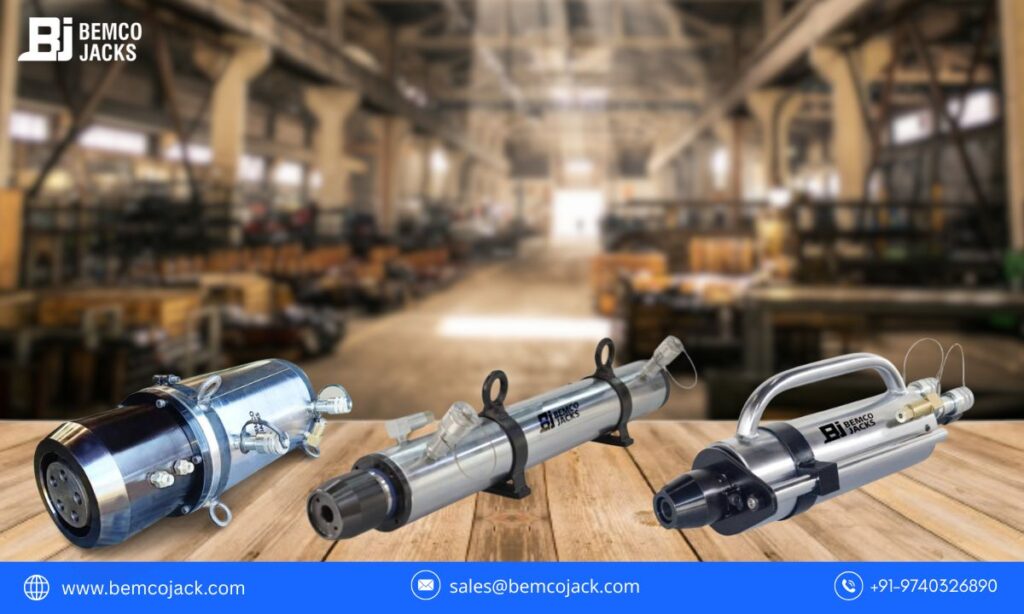
In modern construction, post tensioning is vital for increasing the performance and longevity of concrete structures. The post tensioning jack is central to this process-it’s the key tool responsible for applying the right tension to steel tendons inside concrete. Whether you are working on a bridge, a commercial building, or a residential project, using the right jack ensures safety, structural integrity, and efficient work timelines.
Choosing the right post tensioning jack for your job isn’t just about picking a product-it’s about finding a solution that fits your project needs, site conditions, and long-term reliability expectations.
BEMCO JACKS, based in Belgaum, Karnataka, is known globally for its precision-engineered hydraulic systems. With decades of experience, robust engineering, and service across many countries, BEMCOJACKS has become a name contractors trust.
How Post Tensioning Work?
Post tensioning is a technique used in structural engineering in order to improve the overall strength and effectiveness of concrete structures. This is done with the aid of high-strength steel tendons (also referred to as strands or cables), which are tensioned after the concrete has cured. The main goal is to compress the concrete because tensile forces are likely going to cause cracking or weakening of the structure.
We want to look at how post tensioning works, step by step.
- Duct Placement: Before proceeding with the concrete pour, ducts are made out of plastic and metal placed into the formwork at the location where the tendons are going to be positioned later.
- Inserting Steel Tendons: After the tendons have been positioned into their correct location, the next step is setting the concrete. During this phase, high tensile steel tendons are threaded into the soft concrete.
- Curing of Concrete: It is critical that the concrete cures and gains its compressive strength. It can be quite damaging to apply tension to the tendons before the concrete cures as it can cause cracking or failure.
- Stressing the Tendons: Each end of the steel tendon is pulled using a stressing jack. To the tendon, these jacks apply a very carefully monitored force that stretches the tendon to the level of tension needed.
- Anchoring the Tendons: The tendons are anchored in place with either wedges or anchor heads once the desired tension level has been achieved. The tendons compress the concrete, enhancing its compressive strength.
- Grouting the Ducts (Optional): Filling the ducts with grout in bonded post tensioning systems secures the steel to the concrete preventing to corrosion and ensuring strength. This step is omitted in unbonded systems where tendons are free to move, making them flexible.
Applications of Post Tensioning
The efficiency and cost effectiveness of post tensioning makes it popular across various building and infrastructure projects. Post tensioning is commonly used for:
- Long-span bridges: Reduces the number of supports, allowing for longer and lighter, more aesthetic spans.
- High-rise buildings: Saves thick slab and number of columns thus increasing available space for flooring.
- Parking structures: Saves on thick supporting columns by providing longer spans and thinner slabs.
- Industrial slabs and warehouses: Increases the load bearing alongside the resistance to cracking in large slabs that form the floors.
- Sports complexes and stadiums: Permit large uninterrupted open spaces free of internal columns.
- Dams and containment vessels: Aids in containing the high internal pressures created by fluids.
Advantages of Post Tensioning
- Enhances concrete’s tensile strength.
- Increases resistance to cracks and deflections.
- Increases the distance of slab supports and the thickness of the slab.
- Lowers the quantity used in materials; steel and concrete.
- Improves flexibility in design.
- Improves structural durability and service life
Post tensioning allows for the selection of the right stressing jack and tendon specifications including the components necessary for project completion.
Understanding Your Project Needs
Assessing requirements is the first step in selecting a post tensioning jack. Each construction design has a different configuration and capacity that they require.
Structure Types
Are you working on a floor slab, a bridge, or even a high-rise building? Each scenario might specify a different multistrand or single jack, tonnage, and stroke length.
Load Calculations
An estimation of stroke distance and necessary tonnage must be set. Inaccurate estimates or specifications may unsafe levels of stress or entirely different project outcomes.
Work Environment
Sandy construction zones, hot weather, or humid regions call for jacks with certain construction features – heat resistant material, dust shields, or rust resistant components.
Efficiency and Timeline
In aggressive paced construction, the safe use of a powerful jack for lifting tendon segments will reduce project duration while maintaining safety.
Operator Expertise
In case novice operators are part of the crew, focus on more advanced user-friendly controls instead of complex machinery
Key Factors to Consider Before Buying a Post Tensioning Jack
A. Tonnage and Stroke Capacity
This establishes the amount of force the jack can apply as well as the distance that it can push or pull a tendon. Tonnage and stroke length require careful selection to optimize both operation and emphasize safety.
- Tonnage: Ranges on average from 15 tons and can go beyond 100 tons based on the magnitude of the project.
- Stroke Length: Between 150 mm and 300 mm is the most used range.
Best Practice: A jack should always be selected that is rated 15–20% over the required tonnage to guarantee operational safety and lifespan. A 30-35 ton jack should be used instead of a 25 ton jack, in this case, if the work is to exert 25 tons of force.
Financial resources may be wasted and operational efficiency hindered in overspecification, while underspecification risks inadequate stressing, unfulfilled performance targets, and operational failure.
B. Jack Compatibility
A post tensioning jack must blend effortlessly with the remainder of your equipment. Poor compatibility can compromise system efficiency, prolong project timelines, and even damage system components.
Confirm compatibility with:
- Passive components such as anchor wedges and barrels
- Strands of different tendon size (diameters)
- Hypotensive power supplies (rated pressure, fittings)
- Barelling anchors and coupler assemblies
Tip: Make use of the standard interchangeability for post tensioning tools to check if the jack supports it and study technical data sheets and jack-and-anchor coupling charts.
C. Ease of Use and Maintenance
The field service and operator productivity affecting the completion of the project works hand-in-hand. Therefore, the jack must be straightforward to operate, as well as easy to maintain, in a real-world site environment.
Look for features like:
- Handles positioned for optimal ergonomics and skeletal biomechanical functionality.
- Rim and frame design with lightweight aluminum or alloy.
- Faster setup with quick-connect hydraulic couplers.
- Proper and adequate identification of inlets and outlets, as well as stroke limits, should be clearly marked.
- Easy servicing with modular build and detachable components.
Maintenance:
- Regular daily monitoring of oil leakage and air within the system.
- Periodic servicing with piston lubrication and greasing.
- Free access to the pressure gauges and valves.
- Wiping kits and recommended lubricants enabled.
- Simplicity in maintenance leads to reduced costs incurred and breakdowns while increasing system uptime. This illustrates the ease in standing up operational readiness which is maintained.
D. Durability in Harsh Conditions
Equipment is often subjected to dirt, heat, moisture, and rough handling as a result of postal tensioning work sites. Furthermore, ensuring optimal resistance of the jack to sustain these conditions is key.
Key durability features:
- Corrosion resisting epoxy or polymer coating.
- Moving parts made from stainless steel.
- Protect dust-proof piston rods and internal pathways from dirt and granulated matter.
- Seals designed to withstand above or below zero temperatures.
- Strengthened hydraulic hoses and fittings.
Field Note: Jacks exposed to coastal air or industrial dust without proper protection tend to show signs of rust or cylinder scoring within months. A rugged jack like those from BEMCO is engineered for such environments.
Robust construction reduces wear and tear, minimizes unexpected breakdowns, and ensures years of reliable service.
E. After-Sales Support and Parts Availability
The purchase of a jack signifies just the first step. Continuous support is what will determine the longevity and efficiency of use.
Things to note:
- Local availability of spare parts such as seals, couplers, and piston heads.
- Dealer or regional warehouse serviced are easily accessible.
- Technical documents, guides, videos, and other aids are available for check out.
- Customer care is available for real-time troubleshooting or field inquiries.
- Module materials or operator training certification (if they exist).
BEMCOJACKS Advantage: The brand has built a reputation because of its quick response service after sales, with regional centers promising fast shipment of spares and technical support.
Gap in support networks prolongs critical project phase deadlines and affect ROI, hence, vendors with good customer support should be prioritized.
Why Contractors & Dealers Prefer BEMCOJACKS Post Tensioning Jacks
BEMCO JACKS is trusted by contractors and dealers for delivering post tensioning jacks that combine performance, precision, and durability. Manufactured in our advanced facility in Belgaum, India, these jacks are built to international standards like ASME and BS, and certified with ISO 9001:2015 and CE—making them suitable for global projects.
Designed using high-quality materials and modern engineering tools, our jacks offer consistent performance with reduced wear and minimal maintenance. With multiple capacities, stroke lengths, and configurations available, they adapt easily to varied construction needs—from compact precast yards to large bridge works.
What sets us apart is our commitment to support. We offer reliable after-sales service, spare parts, and calibration support through a strong global network. Each product is thoroughly tested for safety and efficiency, ensuring peace of mind on-site.
Backed by proven performance in extreme conditions and trusted on major infrastructure projects worldwide, BEMCO JACKS is the smart choice for those who value quality, reliability, and long-term support.
Highlighting Our Product Range
Single Strand Stressing Jack
Single Strand Stressing Jacks are compact, ideal and versatile for light to medium tensioning applications in beams and floor slabs. They are lightweight and easy to maneuver.
Multi Strand Stressing Jacks
Multi Strand Stressing Jacks are designed for larger parts like bridges and towers. They can simultaneously tension several strands, thus saving time on large projects.
Threaded Ram Hydraulic Jacks
Threaded Ram Hydraulic Jacks are well known for heavy industrial operations and high force applications due to their rugged durability and build.
Hydraulic Pumping Units (Powerpacks)
Hydraulic Pumping Units (Powerpacks) are designed to run the jacks with stable pressure, smooth operation and fuel efficient methods.
Track Pin Pushers and Special Tools
Track Pin Pushers and Special Tools are used widely in the maintenance of railways or heavy machinery. However, special custom tools are available for niche uses.
Custom Hydraulic Systems
Custom Hydraulic Systems provide end to end customized hydraulic solutions for jacks and power units used in defense, mining and shipyard applications.
Common Mistakes to Avoid
Even experienced contractors can make costly errors when selecting or using post tensioning jacks. Avoid these common mistakes to ensure smoother operations, better safety, and longer equipment life:
1. Going for the Cheapest Option : Opting for the cheapest jack on everyday purchase lists seems like a prudent financial decision, but in reality, it tends to severely compromise build quality and the material’s strength. The low-cost price jacks are most likely to fail due to leakage of hydraulic fluid under stress and undue wear much sooner.
Tip: Use the lifecycle cost method. Accepting the purchase price pays off significantly later where repairs, replacements, and project delays avert.
2. Ignoring Site Conditions : Extreme temperatures, high levels of dust, high humidity or chemical exposure can greatly affect standard jacks and makes them go out of service at a much faster interval. Failing to use a jack with sealed protection components will lead to higher rate of breakdowns.
Tip: Always analyze the physical attributes of your site and the materials used with the jack’s inner construction should be adequate to the environment barriers.
3. Poor Compatibility Planning : Using jacks that do not correspond with the provided anchor system, strand sizes, or the hydraulic powerpack connections can lead to inefficiencies as well as safety concerns. Issues stemming from component mismatching tend to results in tendon slippage, incorrect elongation, or not adhering to the set engineering standards.
Tip: Ensure that all system components – jack, wedges, anchor barrels, and pump – are from the same intercompatible series or brand.
4. Neglecting Maintenance Needs : Servicing some jacks can necessitate the use of bespoke equipment or trained personnel, which might lead to prolonged delays in remote or urgent work areas. Even minor issues can grind work to a halt for several days if instructions are not clear or if replacement components are difficult to procure.
Tip: Opt for jacks that are well documented and have module designs which make them easy to service. Prioritize brands such as BEMCO who supply local training, support, and swift access to parts.
5. Failing to Train Operators : Regardless of the level of sophistication or capability of given equipment, performance will dwindle if it is misused. Untrained individuals operating machinery without proper guidelines may skip crucial steps such as pre tensioning checks, lump all sorts of screws together in a single container, and apply unnecessary load on the jack.
Tip: Provide every operator with adequate training on various safety measures, maintenance procedures, on top of the calibration guidelines
Frequently Asked Questions (FAQs)
Q1. What is a post tensioning jack used for?
A post tensioning jack applies force to steel tendons in concrete, compressing the structure for improved strength and reduced cracking.
Q2. How much does a post tensioning jack cost?
Cost varies based on tonnage, features, and region. A typical single strand jack ranges from INR 1.5 to 5 lakhs. Contact BEMCO for a tailored quote.
Q3. Are these jacks compatible with other global brands?
Yes. BEMCOJACKS’ jacks are designed to integrate with multiple international systems and accessories.
Q4. How often should a jack be serviced?
Every 100–150 hours of operation or monthly, whichever is earlier. Refer to our services manual for maintenance checklists.
Q5. Can BEMCO ship internationally?
Yes. BEMCOJACKS regularly exports across many countries.
Conclusion
The specific post tensioning jack chosen makes a difference in whether the construction process runs smoothly or into a number of issues. Each aspect such as tonnage calculations, jack design compatibility, longitudinal support, and even the most minute detail, contributes significantly. BEMCO JACKS provides an extensive array of post-tensioning and hydraulic solutions that cater to all construction environments, whether local or global.
For safety, speed, and successful project completion, partner with BEMCO JACKS. Contact us for a consultation and learn why top contractors rely on industry-leading hydraulic equipment for post tensioning and tensioning for construction/engineering maintenance projects.